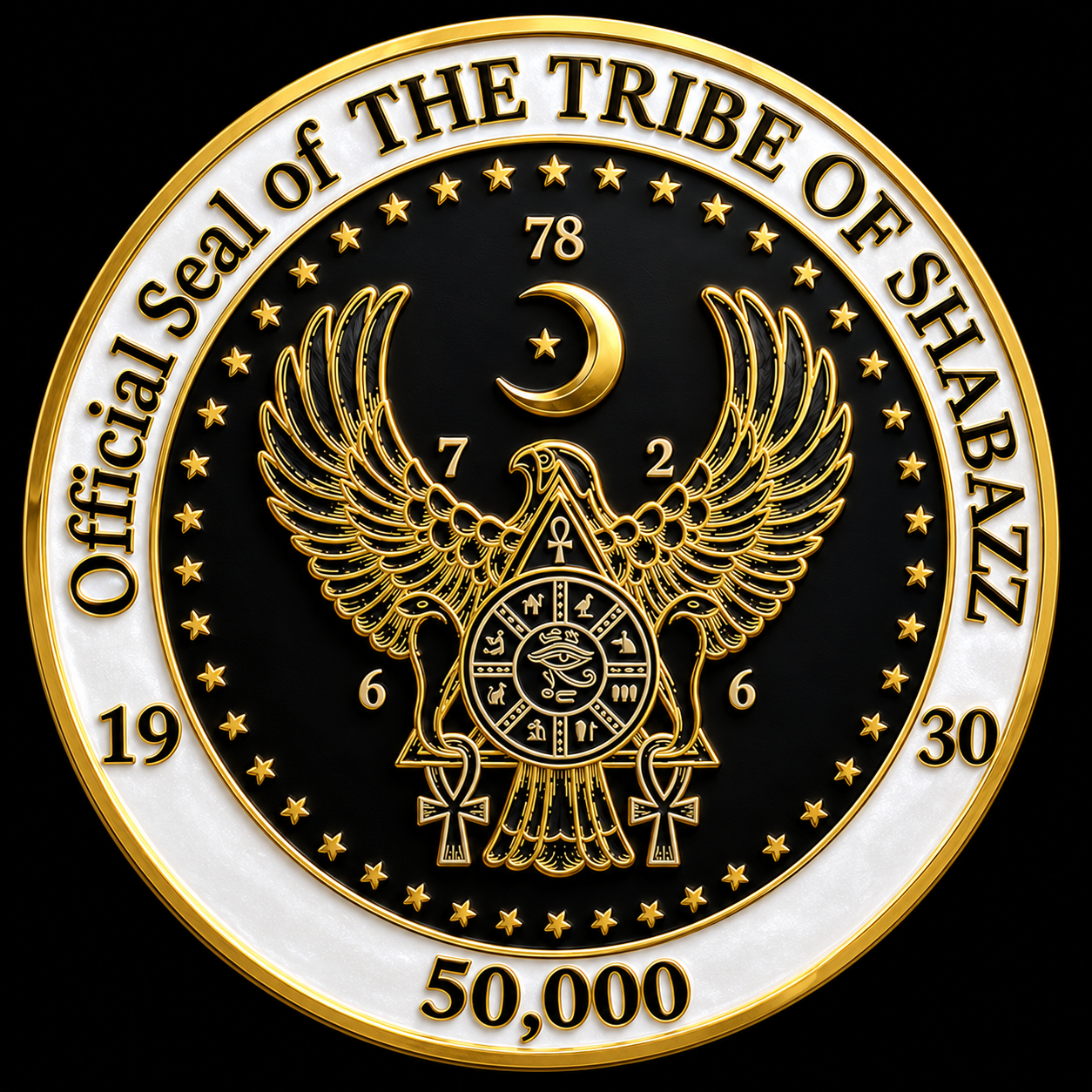
Why we organize: to restore, preserve, advance, educate, serve, build, and prepare our people for a greater tomorrow.
The Tribe looks to the principles expressed in the United Nations Declaration on the Rights of Indigenous Peoples (UNDRIP), adopted by the United Nations General Assembly in 2007, as an important international statement concerning dignity, identity, self-determination, institutions, participation, development, and the rights of Indigenous peoples.
Recognizes the right of Indigenous peoples to self-determination, including the ability to determine their political status and pursue their economic, social, and cultural development.
Addresses autonomy or self-government in matters relating to internal and local affairs, together with ways and means for financing autonomous functions.
Affirms the right to maintain and strengthen distinct political, legal, economic, social, and cultural institutions while retaining the right to participate fully in the life of the State.
Affirms participation in decisions affecting Indigenous rights through representatives chosen in accordance with their own procedures, together with the right to maintain and develop their own decision-making institutions.
Calls on States to consult and cooperate in good faith with Indigenous peoples through their representative institutions in order to obtain free, prior and informed consent before adopting and implementing legislative or administrative measures that may affect them.
Recognizes the right to maintain and develop political, economic, and social systems or institutions; to be secure in the enjoyment of means of subsistence and development; and to receive just and fair redress when deprived of those means.
Recognizes the right to determine and develop priorities and strategies for development, including active involvement in health, housing, economic, and social programs affecting Indigenous peoples and, as far as possible, administering such programs through their own institutions.
Addresses the right to determine and develop priorities and strategies for the development or use of lands, territories, and resources, and calls for good-faith consultation concerning projects that may affect them, including free and informed consent and appropriate redress or mitigation.
Recognizes the right to determine Indigenous identity or membership in accordance with customs and traditions, without impairing the citizenship rights of individuals, and the right to determine institutional structures and select the membership of those institutions according to their own procedures.
Recognizes the right to promote, develop, and maintain institutional structures, distinctive customs, spirituality, traditions, procedures, practices, and, where they exist, juridical systems or customs, in accordance with international human-rights standards.
Clarifies that the Declaration does not authorize action contrary to the Charter of the United Nations or action that would impair the territorial integrity or political unity of sovereign and independent States. It also places the exercise of rights within the broader framework of human rights, equality, non-discrimination, and lawful limitations consistent with international human-rights obligations.
These are concise website summaries of selected UNDRIP provisions. The authoritative text is the United Nations General Assembly resolution and official UN publication linked above.
The Official Tribe of Shabazz rejects the proposition that the history of Black people in America begins with slavery or with modern racial classifications. The Tribe encourages the study of genealogy, family history, historical records, community memory, and Indigenous ancestry.
The site will document the history of racial reclassification, including the Virginia record associated with Walter Plecker and the later description of that process as “paper genocide.” This history is relevant because official records can shape how later generations understand ancestry, identity, and continuity.
The Official Tribe of Shabazz regards Washitaw historical material as an important part of its understanding of an ancient Black Indigenous presence in North America and as a historical bridge connecting the Shabazz identity to Indigenous traditions of this land.
The final page will distinguish between claims made in Washitaw sources, documents preserved in international Indigenous archives, participation documented in United Nations proceedings, and statements independently authored by the United Nations.
The Official Tribe of Shabazz recognizes Black and Indigenous tribes and peoples of the Americas as family. This principle is one of kinship, unity, respect, and shared ancestry; it is not intended to erase, replace, or subordinate anyone’s present-day tribal identity or sovereignty.